
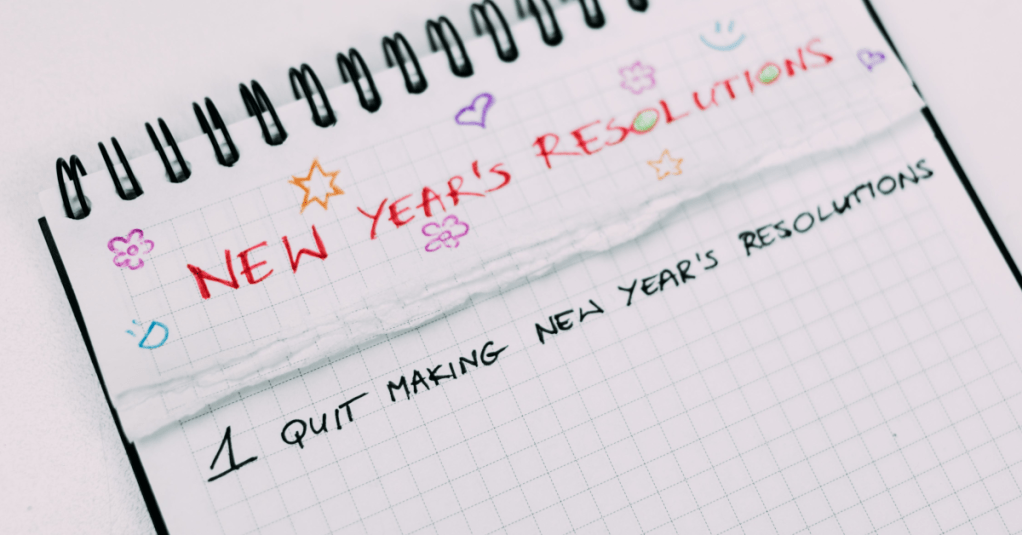
I’m trying something new for 2024: giving up. I won’t be making traditional goals this year. Not because I’m defeated, but rather because I’m seeking freedom. For me, 2024 is going to be the year of the anti-resolution, and I’m here for it.
I like goals. Writing them out feels good. Planning out how to achieve them makes me feel full of potential, like I’m opening a window on a new facet of life. The execution is where things get difficult.
I was labeled “gifted” as a child. My strengths were in reading, writing, and general concept understanding, and I always scored among the top in my class on those standardized tests the American school system is obsessed with. I did the special classes, I received the customary shunning from classmates who decided I thought I was better than them. (And in response, I did the only logical thing to protect my sense of self, which of course was to decide I was better than them.)
Along with my status as supposedly “exceptional” came a heap of unintended consequences. I was praised for doing things right or well, so I started to base my self worth on my achievements. I was told I could be anything, and gently prodded to do more, be better, reach for the stars. On one hand, this is undoubtedly a path of growth. On the other hand, it’s a doorway to crippling perfectionism.

Image by Anastase Maragos on Unsplash
Perfect is the Enemy of Good Mental Health
Perfectionism has become a well-recognized trait in gifted children, and it brings along with it high rates of anxiety. By definition unattainable, the quest for perfection raises additional problems who set high standards for themselves. Gifted individuals who perceive they are achieving less than they think they should can fall into cycles of shame, a situation that sets the foundation for future mental health struggles.
If someone is gifted, though, fulfilling high expectations should be a cakewalk, right? Not quite. Early on, this may be true, but as academic challenges and life responsibilities ramp up, gifted people can find themselves at a disadvantage. Because things came easily to them and they weren’t required to put out a lot of effort, they lack study skills and organizational tools that help “normal” folks succeed. Everything being more difficult than expected can lead to a lack of follow-through, as we get discouraged and sometimes just lose interest in things.
Giftedness can also work as a mask for ADHD. This seems doubly the case for girls, who tend to internalize their struggles, and I suspect this was what happened with me. So, if we add giftedness, perfectionism, ADHD, and new years’ resolutions together, what do we get?
Nothing less than a recipe for failure.

Image by Ian Schneider on Unsplash
What’s So Magical about The New Year?
What is it with New Year’s resolutions, anyway? Ok, it makes sense that as humans, we like the clean slate aspect, starting anew to conquer our hopes and dreams in the new year. Resolutions are considered a mechanism of self improvement, but I’d argue we’d be best to be wary of the tradition.
Because they tend to be lofty and self-imposed, new years’ resolutions can actually be detrimental to wellbeing. They are often focused on negative things that we perceive we must “fix” about ourselves, and they increase the amount of pressure we face. All this together can affect our self esteem when we fail. And fail we do – people usually stick to their plans for fewer than four months, and less than 16% make it past six months.
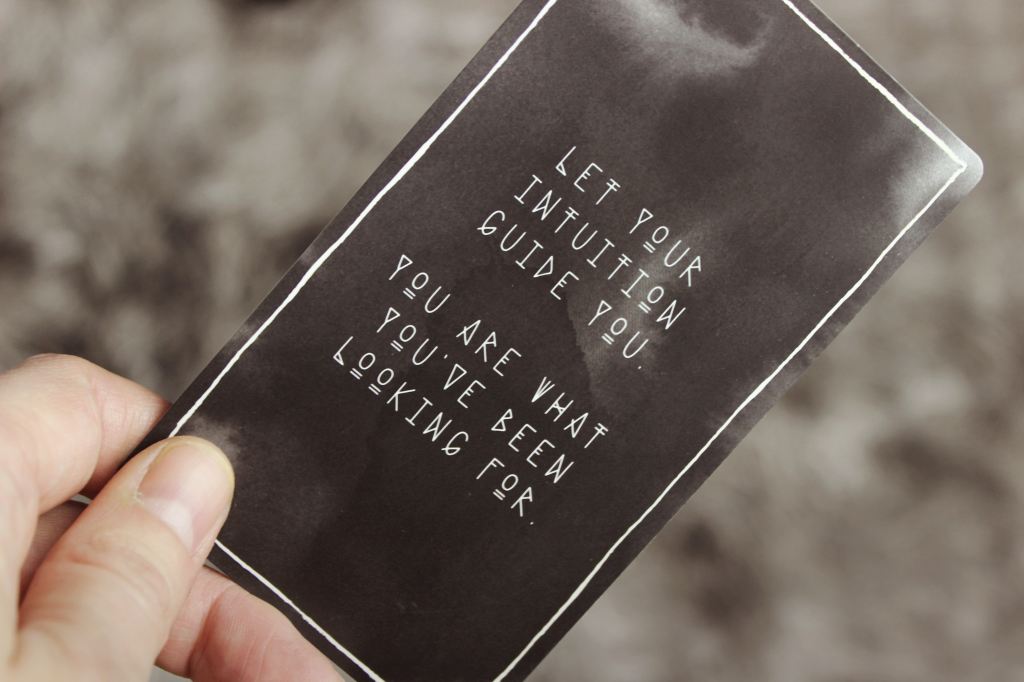
Image by Jen Theodore on Unsplash
My Alternative for 2024
All this to say: I’m doing something different this year. No goals or resolutions for me, although this doesn’t mean I’m just going to sit around doing nothing. What I will be doing is setting intentions, a strategy that is likely more successful (as well as gentler on mental health).
My intentions are to give up on things that set me up for failure and make me unhappy.
I’m giving up on:
- Arbitrary deadlines
- Setting goals for outcomes not in my control
- Basing my self-worth on analytics or achievements
- Holding myself to unrealistic standards
- Beating myself up for not being “consistent”
- Shaming myself
- Worrying what other people think
- Comparing myself against others
This year, I will do what makes me happy, when it makes me happy. And if I am tired, I will rest. And if this means my social media doesn’t satisfy the elusive algorithm, and my businesses don’t make any money, and I still don’t know as many songs as I’d like … it’s ok. I don’t need to prove my worthiness. I am enough.
Happy New Year.





 The Multitasking Millennial
Leave a comment